
 English
 Español
 Portugues
 Pусский
 Français
 Deutsch
 日本語
日本語 한국어
한국어 العربية
 Italiano
 Nederlands
 Svenska
 Polski
 ไทย
ไทย Türk dili
 Indonesia
 čeština
 فارسی
فارسی اردو
اردو


xây dựng túi giấy đựng hóa chất
Building a Chemical Paper Bag: A Comprehensive Overview The production of a chemical paper bag involves a series of carefully controlled steps to ensure durability, safety, and functionality. These bags are commonly used for packaging powdered or granular chemicals, requiring resistance to moisture, tearing, and chemical interactions. Below is a detailed breakdown of the manufacturing process. 1. Material Selection The primary material is kraft paper, chosen for its strength and flexibility. The paper is typically made from wood pulp, often bleached or unbleached, depending on the application. For chemical bags, multi-layer kraft paper is preferred, sometimes laminated with polyethylene (PE) or other coatings to enhance moisture resistance. 2. Paper Treatment and Coating To improve barrier properties, the paper undergoes coating treatments. A common method is extrusion coating, where a thin layer of PE is applied to the paper surface. This prevents chemical leakage and protects against humidity. For highly reactive chemicals, additional layers or specialized coatings (e.g., aluminum foil laminates) may be used. 3. Printing and Design Before forming the bag, the paper is printed with essential information such as handling instructions, safety warnings, and product details. Flexographic or rotogravure printing is typically employed for high-quality, smudge-resistant prints. 4. Bag Formation The coated and printed paper is fed into a bag-making machine, which cuts and folds the material into the desired shape. The process includes: - Tube Formation: The paper is rolled into a cylindrical tube and sealed along the edges with adhesive or heat. - Bottom Sealing: The bottom is folded and glued or stitched to create a secure base. - Gusset Addition (Optional): For larger bags, side gussets are added to allow expansion when filled. 5. Quality Control Each bag undergoes rigorous testing, including: - Burst Strength Test: Ensures the bag can withstand internal pressure. - Seal Integrity Check: Verifies that seams are leak-proof. - Moisture Resistance Test: Confirms the coating’s effectiveness. 6. Final Packaging Finished bags are stacked, bundled, and packed into cartons or pallets for shipment. Proper storage conditions (dry, cool environments) are maintained to prevent degradation. Key Considerations - Safety: Bags must comply with industry standards (e.g., UN certification for hazardous materials). - Sustainability: Recyclable or biodegradable materials are increasingly preferred. - Customization: Size, thickness, and coatings can be adjusted based on chemical properties. In summary, manufacturing a chemical paper bag requires precision in material selection, coating, printing, and sealing to ensure performance and safety. Advanced machinery and strict quality control are essential to produce reliable packaging for industrial applications.
Sản phẩm
Danh mục:
-
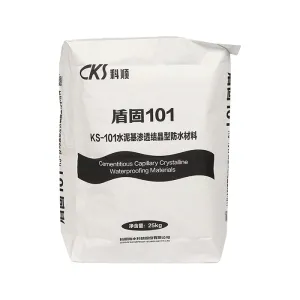
Túi giấy vật liệu chống thấm tinh thể mao mạch xi măng
Phân loại của họ: Túi giấy chống hóa chấtLượt xem: 106Số:Thời gian phát hành: 2025-11-11 15:40:20Túi giấy vật liệu chống thấm tinh thể mao mạch xi măng là một giải pháp đóng gói giấy nhiều lớp cấp công nghiệp được thiết kế đặc biệt được phát triển bởi Công ty TNHH Công nghệ Bao bì Bảo vệ Môi trường Tongying Thâm Quyến. Nó được thiết kế để cung cấp bao bì bền, thân thiện với môi trường và chống ẩm cho vật liệu chống thấm xi măng, hợp chất tinh thể mao quản và các chất phụ gia xây dựng dạng bột khác.
Tin tức
Danh mục:
Không có kết quả tìm kiếm!
Trường hợp
Danh mục:
Không có kết quả tìm kiếm!
Video
Danh mục:
Không có kết quả tìm kiếm!
Tải về
Danh mục:
Không có kết quả tìm kiếm!
Tuyển dụng
Danh mục:
Không có kết quả tìm kiếm!
Sản phẩm được đề xuất
Không có kết quả tìm kiếm!



 Điện thoại